
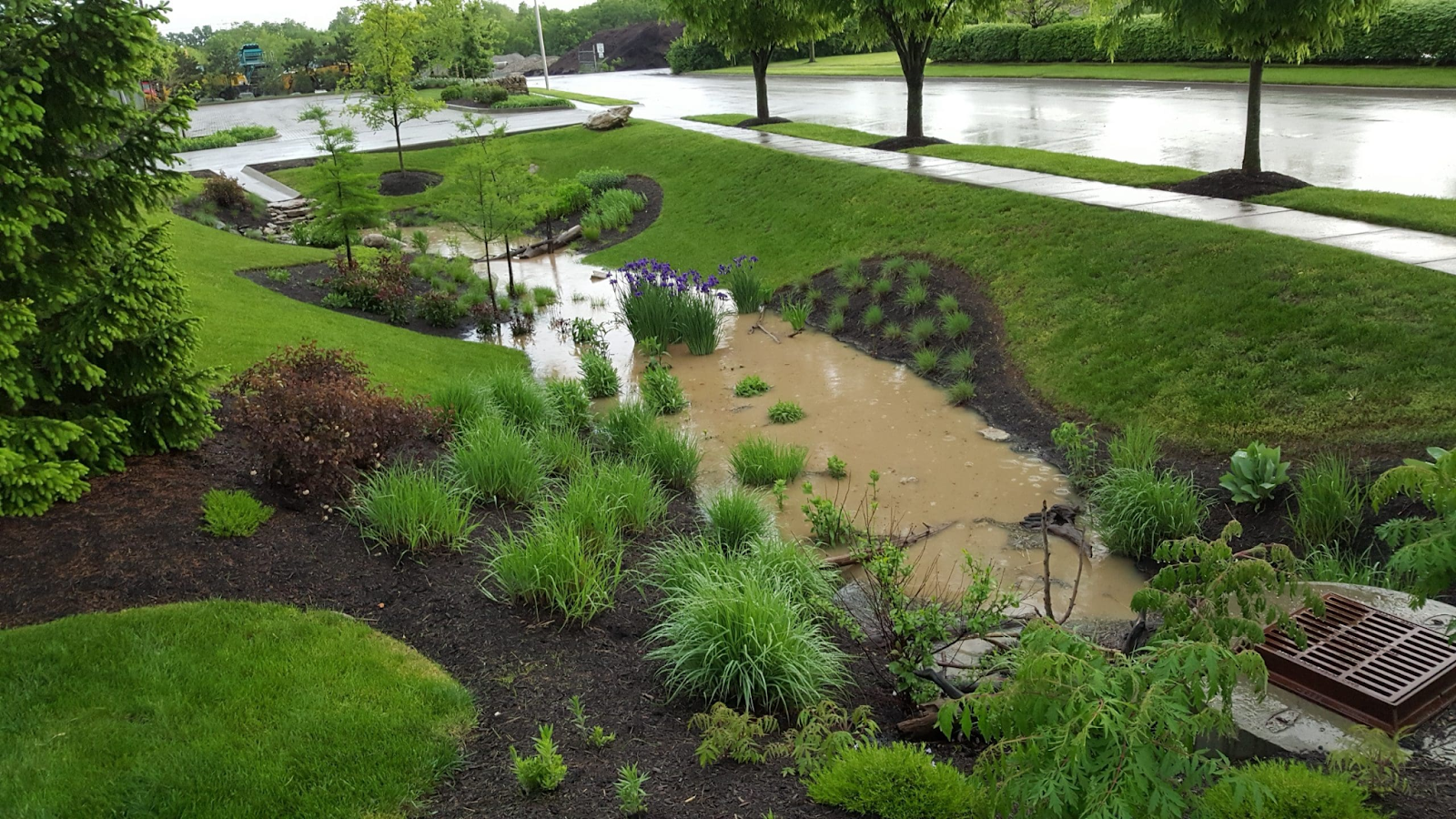
Bioswale remediation plays an important role in managing stormwater and improving environmental health in urban and suburban areas. A bioswale is a shallow, planted channel that collects and cleans rainwater runoff before it reaches drains, rivers, or lakes. Over time, soil and plants inside a bioswale may lose their ability to filter pollution, which makes remediation necessary.
Proper bioswale remediation restores performance, protects nearby ecosystems, and supports sustainable land development. This process offers several strong benefits for communities, property owners, and the environment.
Improves Water Quality Naturally
Bioswale remediation greatly improves water quality by restoring the system’s natural filtering ability. Healthy soil and plants trap sediments, oils, metals, and other pollutants carried by rainwater from roads and buildings. When remediation replaces compacted soil and damaged vegetation, water slows down and filters more effectively.
Cleaned runoff enters groundwater or nearby waterways with fewer harmful substances. This natural treatment reduces pressure on storm drains and treatment plants while keeping local water sources safer for people and wildlife.
Reduces Flooding and Erosion Risks
Effective bioswale remediation helps control flooding and erosion during heavy rainfall. A restored bioswale absorbs and holds more water, which reduces fast surface runoff. This process lowers the risk of water pooling on streets and properties.
Slower water movement also protects soil from washing away, especially on slopes and near construction sites. Communities benefit from fewer drainage problems and lower repair costs after storms, while landscapes stay stable and functional.
Supports Healthier Plant and Soil Systems
Bioswale remediation strengthens plant and soil health, which improves long-term performance. Fresh soil allows roots to grow deeper and absorb water efficiently. Healthy plants improve filtration and stabilize the bioswale structure.
Strong vegetation also blocks invasive species and supports beneficial insects. These improvements help the bioswale function properly for many years with less maintenance, making it a reliable part of stormwater management systems.
Enhances Urban Appearance and Property Value
Remediated bioswales improve the visual appeal of developed areas. Well-maintained plants create green spaces that soften the look of roads, parking lots, and buildings. Clean and healthy bioswales signal responsible land management and environmental care.
Property owners often see improved public perception and higher property value when landscapes look organized and green. Cities and businesses benefit from attractive spaces that also serve an important environmental purpose.
Protects Local Ecosystems and Wildlife
Bioswale remediation protects nearby ecosystems by preventing pollution from entering natural water bodies. Clean runoff supports fish, plants, and other wildlife that depend on healthy water conditions.
Restored bioswales also provide small habitats for birds and insects. This protection helps maintain biodiversity in developed areas and reduces long-term environmental damage caused by untreated stormwater.
Conclusion
Bioswale remediation delivers essential benefits for water quality, flood control, soil health, visual appeal, and ecosystem protection. By restoring the natural filtering ability of bioswales, communities manage stormwater more effectively and reduce environmental risks.
This process supports sustainable development while keeping landscapes functional and attractive. With proper remediation, bioswales continue to serve as a practical and eco-friendly solution for modern stormwater challenges.